8 Lower Body Exercises for Explosive Pickleball Legs — No Gym Required
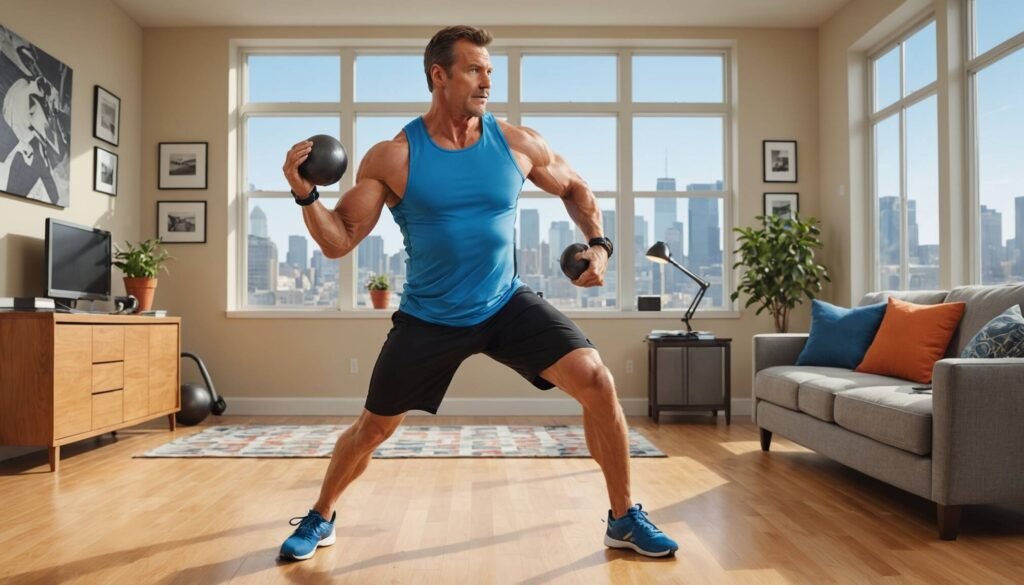
Pickleball demands more from your legs than most recreational players realize. Every split-step at the kitchen line, every explosive push toward a drop shot, every lateral shuffle to cover the sideline—it all starts with your lower body. The good news is that building the kind of leg strength and power that translates directly to better court performance doesn’t require an expensive gym membership or complicated equipment. With just a single dumbbell or kettlebell and some space in your living room, you can develop the explosive legs that separate average players from those who dominate their local courts.
Connor Derrickson from That Pickleball Trainer has put together a comprehensive lower body routine specifically designed for pickleball players who want to train at home. These eight exercises target the exact movement patterns and muscle groups you use during competitive play, helping you build strength that actually matters when you’re grinding through a three-game match on a hot afternoon.
Why Your Legs Are Everything in Pickleball
Understanding why lower body strength matters so much in pickleball starts with analyzing what actually happens during a typical point. Unlike tennis, where you might have time to set up for shots, pickleball happens fast and close to the net. You’re constantly loading and unloading your legs—pushing off laterally to cover the court, absorbing impact as you decelerate, maintaining a stable athletic position during dinking exchanges, and exploding forward when you see an opportunity to attack.
Your legs provide the foundation for every shot you hit. When you’re in a low, stable position at the kitchen line, it’s your quads, glutes, and hip stabilizers keeping you there. When you need to change direction quickly to track down a passing shot, it’s your leg strength that determines how efficiently you can decelerate in one direction and accelerate in another. And when fatigue sets in during the third game of a match, strong legs are what keep you moving effectively while your opponents start making errors.
Beyond the obvious performance benefits, building lower body strength also serves as your best defense against the injuries that plague recreational pickleball players. Knee pain, hip discomfort, and lower back issues often stem from weaknesses in the legs and hips that force other areas to compensate. When your legs are strong and balanced, they absorb the forces of quick movements and sudden stops more effectively, reducing the stress on your joints and connective tissues.
These exercises also strengthen your lower back, hips, and core as secondary benefits. You’re not just building isolated leg muscle; you’re developing a complete kinetic chain that works together during athletic movement. This integration is what separates functional strength training from simply doing leg exercises—every movement in this routine mimics something you actually do on the pickleball court.
The Complete Eight-Exercise Routine
Derrickson selected these specific movements based on their direct carryover to pickleball performance. Each exercise addresses a different aspect of lower body function, from single-leg stability to explosive power to eccentric strength. Here’s what you’ll be working with:
1. Kettlebell Single Rack Reverse Lunge
This exercise begins the routine by challenging your single-leg strength and core stability simultaneously. Hold a kettlebell in one hand at shoulder height, keeping your elbow tucked and the weight racked securely. Step backward with the leg opposite to the hand holding the weight, lowering your back knee toward the ground while maintaining an upright torso. The unilateral load creates an anti-rotation challenge for your core while your front leg does the primary work of controlling the descent and driving back to the starting position. This mimics the single-leg loading patterns you experience when reaching for wide shots or maintaining balance during off-balance exchanges at the net.
2. Supported Dumbbell Single Leg RDL
The Romanian deadlift pattern is crucial for developing posterior chain strength—your hamstrings, glutes, and lower back. In this supported variation, you hold a dumbbell in one hand while gripping a pole, wall, or sturdy piece of furniture with the other hand for light support. Hinge at the hips while maintaining a neutral spine, allowing the dumbbell to lower toward the ground as your non-working leg extends behind you. The support allows you to focus on the movement pattern and really load the target muscles without worrying about balance. Strong hamstrings and glutes are essential for the explosive movements and quick direction changes that define high-level pickleball play.
3. Dumbbell Rear Foot Elevated Split Squat
Often called a Bulgarian split squat, this exercise is widely considered one of the most effective lower body movements you can do. Place your back foot on a bench, chair, or low platform, holding dumbbells in each hand. Lower yourself down until your front thigh is roughly parallel to the ground, keeping most of your weight on your front leg. The elevated back foot increases the range of motion and ensures the front leg does the majority of the work. This exercise builds serious single-leg strength and stability while also improving hip flexibility, both of which translate directly to better movement efficiency on the court.
4. Dumbbell Step Up
The step up looks simple but requires attention to detail to get right. Using a bench or sturdy platform, step up with one leg while holding dumbbells, focusing on driving through your top leg rather than pushing off with your bottom leg. The key technical detail is the alignment of your shin and torso—lean forward slightly so they remain parallel throughout the movement. This ensures proper loading through your working leg and prevents you from cheating the movement by using momentum or your bottom leg. Step ups build the kind of single-leg power you need for explosive first steps and quick recoveries between shots.
5. Dumbbell Goblet Lateral Lunge
This is where the routine gets specifically pickleball-focused. Hold a dumbbell at chest height in the goblet position and step out laterally to one side, keeping your opposite leg straight. Lower yourself down over the bent leg, keeping your foot, ankle, knee, and hip all in alignment. This movement pattern directly mimics the lateral loading you experience dozens of times per game when moving side to side at the kitchen line or covering the court during rallies. The stability you build here—particularly the ability to keep your knee tracking properly over your toe—prevents the knee collapse that often leads to injury and inefficient movement.
6. Isometric Split Squat
Sometimes the best training doesn’t involve moving at all. Get into a split squat position with most of your weight on your front heel and simply hold the position. No dumbbells required for this one—you’re building strength endurance and positional awareness. Set a timer and hold for 30-45 seconds per side. The isometric hold develops the kind of muscular endurance you need to maintain a good athletic position during long rallies without your legs giving out. It also teaches you what proper positioning feels like, which carries over to the dynamic movements in the other exercises.
7. Eccentric Dumbbell RDL
This variation of the Romanian deadlift emphasizes the eccentric or lowering phase of the movement. Hold dumbbells in both hands and hinge at the hips, taking a full five seconds to lower the weights toward the ground. Return to the starting position at a normal pace, then repeat. The slow eccentric phase builds tremendous hamstring and glute strength while also improving your ability to control movement under load. This eccentric strength is crucial for decelerating effectively when you need to stop quickly or change directions—which happens constantly in pickleball.
8. Eccentric Front Foot Elevated Dumbbell Split Squat
The final exercise combines multiple challenges into one demanding movement. Elevate your front foot slightly on a small platform or weight plate, hold dumbbells, and lower into a split squat position over five seconds. The front foot elevation increases the range of motion, making the exercise more challenging and building strength through a longer range. The eccentric emphasis further increases the difficulty while building the kind of strength that protects your knees and improves your movement control. By the time you finish your sets of this exercise, you’ll know you’ve put in real work.
The Technical Details That Matter
Understanding what to do is only half the battle—how you do these exercises determines whether they actually improve your pickleball game or just make you generically sore. Derrickson emphasizes several key technical points throughout the routine that separate effective training from just going through the motions.
During the reverse lunge, pay attention to the relationship between your shin and torso. They should remain roughly parallel throughout the movement. If your torso leans too far forward or stays too upright, you’re shifting the load away from your front leg and diminishing the effectiveness of the exercise. This same principle applies to the step up—that slight forward lean that keeps your shin and torso aligned ensures your working leg does the work rather than allowing momentum or your bottom leg to take over.
The lateral lunge deserves special attention because it’s so specific to pickleball movement patterns. The critical detail is keeping your foot, ankle, knee, and hip all in a straight vertical line as you lower down over your bent leg. Watch for your knee caving inward or bowing outward—both indicate weakness or instability that will show up on the court during quick lateral movements. Training this alignment in the gym means it becomes automatic during play, when you don’t have time to think about knee position while tracking down a backhand dink.
For the eccentric exercises, really commit to the five-second lowering phase. Count it out loud if you need to. The temptation is to go faster when the exercise gets difficult, but the slow, controlled eccentric phase is where much of the benefit comes from. This builds strength in the lengthened position and improves your neuromuscular control, both of which contribute to better movement quality and injury resistance.
Programming Your Training for Best Results
Having eight exercises is useful, but knowing how to organize them into an effective training program is what actually gets results. Derrickson recommends three sets of eight reps per side for most of these movements. That might sound like a lot, especially for the eccentric work, but it’s both manageable and effective once you find the right weight.
You don’t need to do all eight exercises in every training session. One approach is to select four exercises and perform them twice per week, then rotate in the other four exercises for the following week. Another option is to split them into two separate workouts—one focusing on strength and power (like the step ups and split squats) and another emphasizing control and stability (like the isometric holds and eccentric work).
The beauty of this routine is its flexibility. If you already have a training program, you can add these exercises as a lower body day. If you’re starting from scratch, this routine gives you everything you need for comprehensive lower body development. If you’re short on time, even doing three of these exercises consistently will produce noticeable improvements in your on-court movement and power.
Recovery matters just as much as the training itself. These exercises, particularly the eccentric variations, will make you sore initially. That’s normal and expected. Start with lighter weights and fewer sets if you’re new to this type of training, then gradually increase the challenge as your body adapts. Training your legs hard twice per week with adequate recovery between sessions is far more effective than trying to do something every day and never allowing proper recovery.
Minimal Equipment, Maximum Impact
One of the most appealing aspects of this routine is how little equipment you actually need. A single dumbbell or kettlebell in an appropriate weight, a bench or sturdy chair, and maybe a pole or wall for balance support during the single-leg RDL—that’s the complete list. No cable machines, no leg press, no specialized gym equipment required.
The lack of equipment requirements removes one of the biggest barriers to consistent training. You can do this routine in your garage, living room, or even a hotel room when traveling for tournaments. There’s no commute to the gym, no waiting for equipment, no monthly membership fees. Just you, some basic equipment, and the commitment to put in the work.
This simplicity also means you can focus on what actually matters—the quality of your movement and the consistency of your training. The fanciest gym equipment won’t help if you’re doing exercises with poor form or training inconsistently. A basic setup with focused effort beats elaborate equipment with half-hearted execution every single time.
Understanding the Basics: Why These Exercises Work
If you’re relatively new to strength training or wondering why these specific exercises made the list, it helps to understand some basic principles about how we build strength and power for sports performance.
First, many of these exercises are unilateral, meaning they work one leg at a time. This is crucial for pickleball because the sport requires you to move and generate power from single-leg positions constantly. You’re almost never pushing off both legs equally during actual play. Training one leg at a time ensures both sides develop equally and that you build the stabilizer strength needed to control single-leg movements effectively.
Second, these exercises emphasize different types of muscle contractions. Concentric contractions happen when your muscle shortens under load, like the upward phase of a squat. Eccentric contractions happen when your muscle lengthens under load, like the downward phase. Isometric contractions happen when your muscle produces force without changing length. All three types matter for athletic performance, and this routine includes all three deliberately.
Third, the exercises target movement patterns rather than just individual muscles. Yes, your quads work during split squats and your hamstrings work during RDLs, but more importantly, you’re training your body to hinge properly, lunge effectively, and maintain stability under load. These movement patterns are what you use on the court, so training them directly creates better transfer to actual pickleball performance than just doing isolated muscle exercises.
Finally, progressive overload—gradually increasing the challenge over time—is what drives adaptation and improvement. Start with weights that allow you to complete all sets with good form while still feeling challenged. As you get stronger, increase the weight slightly, add an extra rep per set, or slow down the tempo of your movements. This gradual progression is how you continue improving rather than plateauing after a few weeks.
What You’ll Notice on the Court
The real test of any training program is whether it actually improves your performance where it matters—on the pickleball court. After several weeks of consistent work with this routine, you should notice several specific improvements in your game.
Your court coverage will improve noticeably. Those shots that used to be just out of reach become makeable because you can push off more explosively and cover ground more efficiently. The quick lateral movements at the kitchen line will feel more controlled and less frantic because your legs are strong enough to handle the rapid direction changes without breaking down.
You’ll maintain better positioning during long rallies. That low, athletic stance at the kitchen line won’t fatigue your legs as quickly, allowing you to stay in proper position rather than standing up as you get tired. This means better shot quality and fewer errors late in games when fatigue typically sets in.
Your shot power will increase, particularly on shots where you’re on the move or stretched out. Power in pickleball doesn’t come from your arm—it comes from your legs and core transferring force through your body to the paddle. Stronger legs mean more available force to transfer, which means more pace on your attacking shots when you need it.
Perhaps most importantly, you’ll feel more durable and resilient. The aches and soreness that used to show up after playing several games will diminish as your body becomes more capable of handling the demands of the sport. Your joints will feel more stable, your movements more confident, and your recovery between playing sessions faster.
Making It Sustainable
The best training program is the one you’ll actually stick with long-term. These eight exercises provide everything you need for comprehensive lower body development, but only if you do them consistently over weeks and months, not just once or twice.
Build the routine into your weekly schedule just like you would a regular pickleball session. Treat it with the same importance because it directly impacts your ability to play at your best. Whether that means training on Monday and Thursday mornings, Tuesday and Friday evenings, or any other consistent schedule, the key is making it a non-negotiable part of your routine rather than something you do when you feel like it.
Track your progress somehow, even if it’s just simple notes in your phone about what weights you used and how the exercises felt. This creates accountability and allows you to see your improvement over time, which provides motivation to keep going when the work gets difficult.
Remember that building real strength and power takes time. You won’t transform your legs in two weeks. But stick with this


