The Dink MiLP Championships Are Moving to February: Your Complete Guide to Qualification
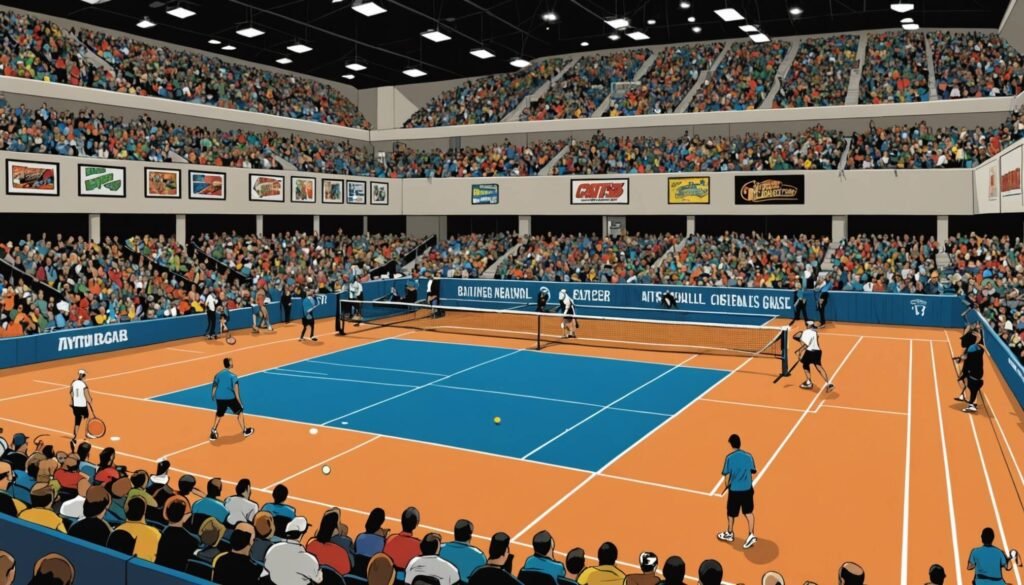
The landscape of amateur team pickleball is shifting in a significant way. The Dink Minor League Pickleball Championships, which has established itself as the premier team event for amateur players across the country, is making a strategic move on the calendar. Starting with the upcoming season, this championship event will take place in February 2027 rather than its traditional December slot, a change that reflects the evolving nature of competitive pickleball and the growing global reach of Minor League competition.
This calendar adjustment isn’t arbitrary. It’s a thoughtful response to the expanding ecosystem of amateur pickleball competition worldwide. As the sport continues its explosive growth trajectory, the organizers recognized the need for a schedule that better accommodates the full qualification season, allowing tournaments to unfold naturally without rushing players through the process. The February timing creates breathing room for state championships, regional competitions, and international pathways to properly develop before teams converge for the ultimate showdown.
What makes this championship so compelling is the prize on the line: $100,000 in prize money distributed among the winning teams across various divisions. For amateur players who dedicate countless hours to improving their game, this represents not just validation of their skills but tangible recognition of their commitment to the sport. The event has grown from a novel concept into a legitimate stepping stone in the competitive pickleball ecosystem, creating pathways from local courts to national recognition.
Understanding Minor League Pickleball: A Primer for Newcomers
If you’re relatively new to the competitive pickleball scene, the concept of Minor League Pickleball might seem complex at first glance. Think of it as the amateur circuit that exists parallel to professional pickleball tours like the PPA and MLP. While those professional tours feature household names and substantial sponsorship deals, Minor League Pickleball serves the vast majority of competitive players who aren’t yet at the professional level but are still highly skilled and deeply passionate about the sport.
The structure mirrors what you might find in other sports. Just as baseball has minor league systems that feed into Major League Baseball, pickleball now has a structured pathway that gives amateur players clear goals to pursue. You don’t need to be a professional athlete or have sponsors to participate. You simply need to compete in designated tournaments throughout the season, earn points based on your performance, and potentially qualify for the championships.
What sets this system apart from traditional recreational pickleball is the team format. Rather than playing as an individual or permanent doubles pairing, you’re part of a four-person team competing in a rally-scoring format that creates dynamic, fast-paced matches. This team element adds strategic depth and creates a different competitive environment than what most recreational players experience at their local courts. The atmosphere at these events often resembles what you’d see at professional tournaments, complete with dedicated courts, spectator areas, and that electric energy that comes when skilled players are competing at a high level.
The qualification pathways exist to ensure that the championship event brings together genuinely competitive teams rather than simply whoever signs up first. By requiring players to earn their spots through performance, the system maintains competitive integrity while still keeping doors open for newcomers willing to put in the work to qualify.
The Six Pathways to Championship Qualification
One of the most thoughtful aspects of the Minor League Pickleball system is how it creates multiple avenues for qualification. Rather than a one-size-fits-all approach, the structure acknowledges that players come from different backgrounds and competitive contexts. Whether you’re grinding through local tournaments every weekend or representing your college, there’s a pathway designed with you in mind.
The USA National Leaderboard: The Grind Pathway
The USA National Leaderboard represents the most straightforward route to the championships, though it requires consistency and sustained performance throughout the season. This pathway rewards players who show up regularly and perform well across multiple events rather than those who might have a single exceptional performance.
The mechanics are relatively simple: compete in official events, finish as high as possible, and accumulate points. The point distribution creates meaningful separation between performance levels. First place teams earn 1,000 points per player, second place drops to 900 points, and the distribution continues downward through the standings. This structure means that consistently finishing in the top three or four positions at multiple events can potentially outweigh a single championship performance.
Regional Showdowns carry extra weight in this system, awarding double points compared to standard tournaments. This creates strategic considerations for serious competitors who must decide how to allocate their time and travel budgets. Do you play every local event you can find, or do you focus your energy on the higher-stakes regional competitions? For players in densely populated pickleball markets like Florida, Texas, or California, there might be multiple qualifying events within reasonable driving distance. For those in less saturated markets, qualifying might require more significant travel commitments.
An important distinction: while you compete as a team during events, leaderboard points track individually. This creates interesting dynamics because your pathway to the championships depends on your personal point accumulation, but your success in earning those points depends heavily on your team’s performance. At season’s end, the top individuals in each division receive invitations to assemble their teams for the championships. This means you might not compete with the exact same teammates you had during the qualification season, though many successful teams do stay together throughout.
Dream Tickets: The Lightning Strike Pathway
If the leaderboard pathway is about sustained excellence, Dream Tickets represent the lightning strike moment that every competitor dreams about. Win gold at a designated State Championship or Regional Showdown, and your team punches its ticket directly to the championships, bypassing the need to accumulate leaderboard points over time.
This pathway creates those memorable sporting moments where a team that might not have been favored breaks through with a exceptional performance when it matters most. Perhaps you’ve been developing chemistry with your teammates all season, making incremental improvements, and everything clicks together during a single weekend. That Dream Ticket validates the work you’ve put in and propels you directly to the biggest stage in amateur pickleball.
The rules around Dream Tickets balance opportunity with competitive integrity. Teams must maintain at least two players from the qualifying event, acknowledging that the team chemistry and performance that earned the ticket should be preserved. However, the flexibility to replace up to two players recognizes real-world complications like injuries, schedule conflicts, or other circumstances that might prevent someone from competing at the championships. If all four original players compete together at the championships, and other criteria are met, the team plays in the same division where they qualified, ensuring they’re competing against appropriately matched opponents.
This pathway also democratizes access to the championships. You don’t need to be in a position to travel to tournaments every weekend for months. You don’t need the financial resources to compete in a dozen events. You need one great weekend of pickleball. This creates inspiring underdog stories and ensures that the championships include not just the players with the most resources or time availability, but also those with the talent and determination to peak at the right moment.
Major League Pickleball Team Bids: The Affiliated Pathway
The connection between amateur and professional pickleball creates additional qualification possibilities through teams affiliated with Major League Pickleball franchises. These MLP-affiliated teams participating in the Minor League ecosystem can earn championship bids through various mechanisms including Dream Tickets, wild card selections, or special partnered events.
This pathway serves multiple purposes within the broader pickleball ecosystem. For MLP franchises, it creates a development pipeline similar to what professional sports teams maintain. Just as NBA teams have G-League affiliates or MLB teams have minor league systems, pickleball franchises can identify and develop talent through these amateur competitions. For players, it creates potential visibility with organizations that might eventually offer professional opportunities.
However, the system maintains its competitive standards by requiring that players on these affiliated teams still compete in at least one official Minor League event during the season. This prevents teams from simply claiming a championship spot based solely on their affiliation without proving themselves against the broader competitive field. It ensures that every team at the championships has demonstrated their capabilities through actual competition rather than organizational connections alone.
International Pathways: The Global Expansion
Perhaps the most exciting development in the Minor League Pickleball ecosystem is its rapidly expanding international footprint. Countries around the world are establishing their own national pathways and leaderboards, creating qualification systems that mirror the domestic structure while accounting for regional differences and developmental stages in various markets.
This international expansion reflects pickleball’s evolution from a primarily American sport to a global phenomenon. Players in countries where pickleball is still emerging now have structured competitive opportunities rather than being isolated from the sport’s mainstream competitive ecosystem. The strongest teams from each region’s qualification system earn opportunities to compete at the championships, bringing diverse playing styles and competitive backgrounds to the event.
The implementation varies by country based on local infrastructure and competitive maturity. More established international markets might have extensive tournament schedules and sophisticated point systems, while emerging markets might have more concentrated qualification events. This flexibility allows the international pathway to function effectively across markets at different developmental stages while maintaining the core principle: the best teams from each region should have opportunities to compete at the highest amateur level.
For the championships themselves, this international participation elevates the event from a national competition to a genuinely global gathering. The playing styles, strategic approaches, and competitive backgrounds that international players bring enriches the overall competition and creates cross-pollination of ideas and techniques that benefits everyone involved.
The Collegiate Pathway: Building the Future
College pickleball represents one of the fastest-growing segments of the sport, and the new collegiate pathway acknowledges this reality by creating a dedicated route to the championships for college players. This pathway recognizes that college athletes operate within unique constraints and contexts that differ from other amateur competitors.
The structure requires players to be enrolled in at least six credit hours at their institution and to compete exclusively with teammates from their own school. These requirements maintain the integrity of college competition and ensure that teams represent genuine school affiliations rather than simply recruiting top players under an educational banner. For colleges investing in pickleball facilities and programs, this pathway provides tangible competitive goals for their teams beyond informal recreational play.
The college pathway also serves a developmental function for the sport broadly. Many of today’s college students will become tomorrow’s recreational players, tournament organizers, facility operators, and potentially professional competitors. By engaging them in structured competitive pickleball during their college years, the sport builds a foundation of participants who understand competitive formats, tournament operations, and the broader pickleball ecosystem. These experiences tend to create lifelong engagement with the sport in various capacities.
For students themselves, the pathway offers something that didn’t exist in pickleball until recently: legitimate college athletic competition with pathways to prestigious events. While pickleball scholarships remain rare compared to traditional college sports, the competitive structure and recognition that comes from qualifying for championships creates real athletic achievement within the college context.
The Nations Cup: International Team Competition
The newest addition to the qualification ecosystem is the Nations Cup, an international team competition that debuts alongside the championships and creates opportunities for players to represent their countries on the international stage. While specific format details are still being announced, this pathway represents an exciting evolution in how pickleball structures international competition.
The concept of national team competition resonates deeply in sports culture worldwide. From the World Cup in soccer to the Olympics across multiple sports, representing your country carries meaning beyond individual achievement. The Nations Cup brings this dynamic to pickleball, allowing players to experience that unique pressure and pride that comes from competing not just for yourself or your club team, but for your entire country.
This pathway also creates additional qualification opportunities distinct from individual or club team routes. A player might not accumulate enough leaderboard points to qualify individually, but could be selected for their national team based on other criteria. Conversely, this creates situations where elite players might compete in multiple capacities at the championships—both with their qualified team and as part of their national squad.
The international team element also enhances the overall championship event atmosphere. When national pride enters the equation, matches take on additional significance and energy. Spectators have clear rooting interests beyond following individual players they know. The event becomes a broader celebration of pickleball’s global growth rather than purely an American competition with some international participants.
Strategic Considerations for Aspiring Qualifiers
Understanding the pathways is one thing; developing an effective strategy to actually qualify requires deeper consideration of your personal circumstances, competitive level, and available resources. The multiple pathways create genuine strategic choices rather than a single predetermined route everyone must follow.
For players with geographic access to numerous tournaments and the time flexibility to compete regularly, the leaderboard grind might be the most reliable approach. Consistent top-five finishes across a dozen events could accumulate sufficient points even without winning a championship. This approach reduces the pressure of any single event while requiring sustained commitment throughout the season.
Players with limited time or tournament access might focus their energy on Dream Ticket opportunities at State Championships or Regional Showdowns. This strategy concentrates preparation and resources on a smaller number of high-stakes events where a single exceptional performance can accomplish what might otherwise require months of tournament play. The tradeoff is higher pressure and less margin for error, but potentially fewer weekends devoted to competition.
College students obviously have a natural pathway through the collegiate system, though they might also pursue individual qualification through standard events if their schedule permits. The college pathway creates opportunities that might not otherwise exist for students without extensive financial resources for travel and tournament entry fees.
International players increasingly have home-country options that might be more accessible than traveling to the United States for domestic qualification events. As these international pathways mature, they’ll likely become the primary route for non-U.S. players while still connecting to the same championship destination.
Team composition strategy also matters significantly. Are you assembling a team specifically for championship qualification, or are you playing with long-term teammates where the chemistry and understanding offset potentially higher individual skill ceilings available by recruiting different players? The rules allowing roster changes between qualification and championship create flexibility, but teams that stay together often benefit from developed communication and strategic understanding.
What the February Move Means for Competitors
The calendar shift from December to February creates both logistical and competitive implications worth considering. The additional two months extends the qualification season, allowing more events to fit into the calendar before the championship cutoff. This potentially makes leaderboard qualification more achievable for players who need those extra weeks to accumulate points.
The timing also affects seasonal training patterns. December championships meant players were peaking during holiday season, navigating family obligations and year-end work demands while trying to prepare for the biggest amateur event of the year. February moves the championship past those holiday complications but presents its own challenges in northern climates where winter weather limits outdoor practice opportunities.
For the event itself, February timing in a suitable climate location creates better conditions than December in many potential host cities. While specific location details haven’t been announced yet, the calendar adjustment provides more flexibility in venue selection without weather concerns that might affect a December event.
The move also creates better alignment with the professional pickleball calendar, allowing the amateur championships to exist in its own space rather than competing for attention with year-end professional events. This benefits players who follow both amateur and professional pickleball, as well as media coverage and sponsor attention that might otherwise be divided.
The Broader Significance of Structured Amateur Competition
Stepping back from the specific qualification mechanics, the existence of a robust amateur championship system with clear pathways represents something significant for pickleball’s development as a sport. For decades, the gap between recreational play and professional competition was vast and undefined. You played socially at your local courts, perhaps entered some local tournaments, but there wasn’t a clear progression toward anything larger unless you were already at a skill level approaching professional.
Minor League Pickleball fills that gap by creating meaningful competitive goals for the vast middle section of players who are well beyond beginner level but not quite professional caliber. These players take the sport seriously, invest in coaching and equipment, travel to compete, and want validation for their skills beyond winning at their home court. The championship system provides that validation through a structured pathway that rewards sustained excellence or breakthrough performances.
This structure also creates community and connection among serious amateur players. The qualification circuit means you’ll see the same competitors at multiple events throughout the season, developing rivalries, friendships, and mutual respect. The team format emphasizes collaboration and communication in ways that individual competition doesn’t require. These social and competitive connections keep players engaged with the sport long-term and create the kind of passionate participant base that drives growth.
For younger or developing players, the visible pathway from local competition through regional events to national championships provides tangible goals to pursue. Rather than vaguely hoping to “get better at pickleball,” players can set specific objectives: qualify for state championships, earn a Dream Ticket, crack the top 50 on the leaderboard. These concrete goals focus training and create meaningful milestones to measure progress.
The prize money element, while not life-changing for most participants, acknowledges that elite amateur


