
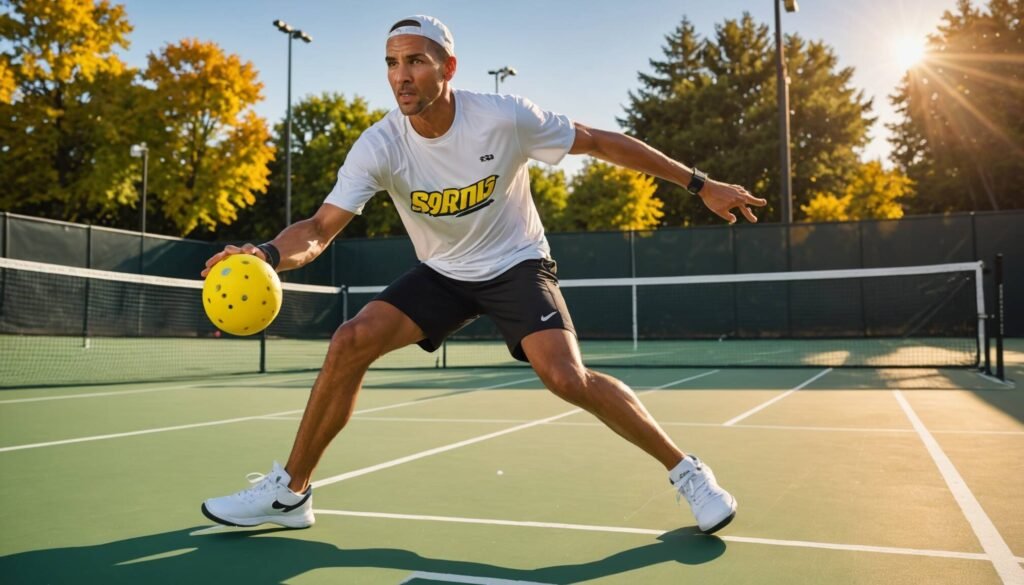
Selkirk Legacy Pickleball Shoes: Performance Meets Everyday Style
The pickleball footwear landscape has long presented players with an uncomfortable choice: commit to performance-focused court shoes that look out of place anywhere else, or settle for lifestyle sneakers that can’t handle the sport’s demanding lateral movements. Selkirk’s new Legacy line challenges this false dichotomy, introducing a shoe collection designed to perform at competitive levels while maintaining the aesthetic appeal players want in their everyday footwear.
This isn’t Selkirk’s first venture into pickleball-specific footwear. The brand previously released the CourtStrike 2.0, establishing their commitment to purpose-built court shoes. But the Legacy collection represents something fundamentally different: a deliberate effort to merge technical performance specifications with design sensibilities that extend beyond the court. Where traditional pickleball shoes prioritize function at the expense of form, and casual sneakers sacrifice stability for style, the Legacy line attempts to deliver both without compromise.
Two Models, One Foundation: Understanding the Legacy Lineup
The Legacy collection launches with two distinct models, each targeting different player priorities while sharing core technological features. The Legacy Pro positions itself as the performance-focused option, engineered for players who need maximum stability during aggressive play. The limited-edition Legacy Classic takes the same technical foundation and wraps it in a lifestyle-oriented aesthetic that transitions seamlessly from competitive matches to casual settings.
Both shoes utilize identical performance technologies, meaning the choice between models comes down to design preference and intended use rather than compromising on court capability. This shared foundation represents a significant design decision: Selkirk built a performance platform robust enough to support both competitive play and all-day wear, then differentiated the models through materials and visual styling rather than cutting corners on the lifestyle version.
Legacy Pro: Built for Competition, Styled for Visibility
The Legacy Pro targets players whose footwork demands mirror the sport’s most competitive levels. Priced at $158, this model incorporates several technical features specifically engineered for pickleball’s unique movement patterns, which differ substantially from tennis, basketball, or running.
The upper construction uses high-abrasion translucent mesh, a material choice that balances durability with breathability and weight considerations. Translucent mesh allows for visual design elements while maintaining the structural integrity needed during rapid directional changes. This isn’t decorative; the mesh placement corresponds to high-stress areas identified through wear testing, reinforcing zones that experience the most abrasion during lateral movements.
The midsole features EVA PureFoam, Selkirk’s proprietary cushioning compound designed for responsiveness rather than pure softness. In pickleball, excessive cushioning can compromise court feel and slow reaction times during quick exchanges at the kitchen line. PureFoam aims to provide impact protection during longer rallies while maintaining ground contact feedback that competitive players rely on for positioning. Layered supercritical foam cushioning adds another dimension, using varying foam densities to control compression rates—firmer during lateral pushes, more forgiving during vertical impacts.
The ergonomic heel cockpit deserves particular attention. Unlike running shoes that prioritize forward motion, pickleball shoes must lock the heel during sideways movements and quick directional changes. The Pro’s heel construction uses a combination of structural reinforcement and contouring to prevent the foot from sliding within the shoe during aggressive cuts. This lockdown becomes critical when players execute split-steps or change direction while moving at speed—moments when even slight heel slippage can compromise balance or, worse, contribute to ankle injuries.
Legacy Classic: Where Performance Meets the Everyday
The Legacy Classic approaches the same performance requirements from a different aesthetic angle. At $138 and released as a limited edition, this model prioritizes versatility without sacrificing the technical capabilities that make a shoe functional for serious play.
The primary distinction lies in the upper material: premium microfiber instead of the Pro’s translucent mesh. Microfiber offers a more refined, vintage-inspired appearance that reads as casual footwear rather than athletic gear. This material choice impacts more than aesthetics—microfiber typically provides better structure than mesh, which can benefit players who prefer a more locked-in feel. However, it trades some breathability for that structure, a consideration for players in hot climates or those who play extended sessions.
Despite the different upper, the Classic retains the same InfiniGrip outsole, PureFoam midsole, and cushioning system as the Pro. This is where Selkirk’s design philosophy becomes clear: they’re not asking players to choose between performance and style by degrading one model’s capabilities. Instead, they’ve created two expressions of the same performance platform, allowing players to select based on personal preference and intended usage patterns rather than accepting reduced functionality.
The limited-edition designation adds another consideration. Limited releases create urgency but also mean players who connect with the Classic’s aesthetic may have restricted sizing or color availability. This positions the Classic as much as a collectible as a functional piece of equipment, appealing to players who view their gear as an expression of personal style alongside competitive tools.
InfiniGrip Technology: Engineering for Pickleball-Specific Movement
Both Legacy models feature InfiniGrip outsoles, Selkirk’s proprietary traction system made from cast polyurethane rather than traditional rubber compounds. This material choice addresses one of pickleball’s most persistent equipment challenges: outsole durability under the sport’s unique movement patterns.
Pickleball players don’t run the same way tennis players do. The court is smaller, rallies are shorter, and gameplay involves constant micro-adjustments rather than extended sprints. This creates a specific wear pattern where players repeatedly pivot on the same foot areas, particularly during kitchen line exchanges and quick resets. Traditional rubber outsoles, designed for tennis or basketball, wear through quickly under these conditions because they weren’t engineered for pickleball’s stop-and-start lateral movements.
Cast polyurethane offers superior abrasion resistance compared to standard rubber formulations. The material maintains its surface texture longer, preserving traction even as the outsole experiences wear. Selkirk backs this technology with a six-month outsole warranty, a notable commitment that signals confidence in the material’s durability. For context, most athletic footwear includes limited warranties that exclude outsole wear as normal deterioration—making Selkirk’s specific coverage of this component a meaningful differentiator.
The traction pattern itself also matters. InfiniGrip utilizes a pattern engineered specifically for multidirectional movement, with particular attention to lateral stability. The pattern includes slightly wider spacing between tread elements compared to running shoes, which helps prevent court debris from lodging in the outsole and reducing grip. Anyone who has played on outdoor courts knows the frustration of stopping mid-point to clear pebbles from shoe treads—proper tread spacing minimizes this interruption.
Women’s-Specific Engineering: Beyond Sizing
The Legacy line includes women’s-specific models built on dedicated lasts rather than simply scaling down men’s designs. This distinction matters more than many players realize. Women’s and men’s feet differ in proportion beyond simple length—women typically have narrower heels relative to forefoot width, different arch shapes, and varying volume distributions.
Shoes built on men’s lasts and sized down often result in heel slippage for women, even when forefoot fit seems appropriate. This slippage compromises stability during lateral movements, forcing compensatory adjustments that can impact performance and increase injury risk. Using women-specific lasts allows Selkirk to properly proportion heel width, adjust arch placement, and modify volume to better match women’s foot anatomy.
This attention to fit details reflects an understanding that performance footwear must accommodate actual biomechanics, not just foot length. Many athletic shoe brands still treat women’s models as afterthoughts, prioritizing colorways over structural adjustments. Selkirk’s investment in proper women’s-specific construction suggests they’re targeting serious female players who recognize the performance difference proper fit makes.
The Broader Context: Pickleball’s Footwear Evolution
To understand why the Legacy line matters, it helps to consider pickleball footwear’s evolution. Early players borrowed shoes from tennis, which sort of worked but weren’t ideal. Tennis shoes are built for larger courts with more running and less lateral movement. As pickleball grew, court shoe manufacturers began creating pickleball-specific models, primarily focusing on technical performance—improved stability, better lateral support, and durability optimized for pickleball’s movement patterns.
This first generation of dedicated pickleball shoes solved functional problems but created a new one: they looked distinctly like athletic equipment, with aggressive styling that didn’t translate to casual settings. Players who wanted to grab coffee or run errands after playing either changed shoes or accepted looking like they were headed to or from a workout.
The Legacy collection represents what might be called second-generation thinking in pickleball footwear: maintaining the technical requirements the sport demands while acknowledging that players’ lives extend beyond the court. This isn’t unique to pickleball—running shoes went through a similar evolution, moving from purely technical designs to lifestyle-friendly options that performed well but looked appropriate in broader contexts.
What makes this shift particularly relevant for pickleball is the sport’s demographics. The player base skews older than many competitive sports, with participants who often play as one component of active lifestyles rather than as singular athletic identities. These players want equipment that performs during play but doesn’t require a complete wardrobe change for the rest of their day. The Legacy line directly addresses this reality.
Understanding the Technology for Non-Technical Players
If you’re relatively new to pickleball or haven’t paid much attention to footwear technology, the Legacy line’s features might seem like marketing language. Here’s what the technology actually means in practical terms during gameplay.
The InfiniGrip outsole essentially means your shoes will last longer before the bottoms wear smooth. When outsoles wear down, you lose traction—your feet slip during quick movements, which slows your reaction time and increases injury risk. Cast polyurethane resists this wear better than regular rubber, so your shoes maintain grip longer. The six-month warranty means if the outsoles do wear through faster, Selkirk will address it, which suggests the company genuinely believes the material will outlast traditional options.
The PureFoam midsole affects how the shoe feels underfoot. Too much cushioning makes you feel disconnected from the court, like you’re standing on a soft mattress—not ideal when you need to react quickly to a ball coming at you. Too little cushioning means your feet hurt after extended play. PureFoam attempts to hit the middle ground: enough cushioning to protect your feet during long sessions but firm enough that you still feel the court beneath you for quick reactions.
The multilayer foam cushioning works like a progressive suspension system. When you’re standing or moving normally, you get comfortable cushioning. When you make aggressive movements that create more impact, the firmer foam layers engage to provide stability. Think of it like a car suspension that stays comfortable during normal driving but stiffens during hard cornering.
The ergonomic heel cockpit simply means the heel cup is shaped and reinforced to prevent your foot from sliding around inside the shoe. During lateral movements—sliding left or right rather than running forward—your heel tries to shift within the shoe. The cockpit design prevents this, keeping your foot stable and positioned correctly, which improves both performance and safety.
The women’s-specific last addresses the fact that women’s feet aren’t just smaller versions of men’s feet—they’re proportioned differently. A shoe built on a men’s last and sized down often fits poorly in the heel even if the length is right, leading to slippage and blisters. Women’s-specific lasts create better overall fit by accounting for these proportional differences.
Pricing and Value Considerations
At $158 for the Pro and $138 for the Classic, the Legacy line positions itself in the premium segment of pickleball footwear. This pricing invites comparison to both dedicated court shoes and lifestyle sneakers to assess whether the dual-purpose positioning justifies the cost.
Quality pickleball-specific court shoes typically range from $110 to $160, placing the Legacy Pro at the upper end of the competitive range. The Classic’s $138 price point falls in the middle of the dedicated court shoe market while competing with premium casual sneakers that often exceed $120-150 but lack court-specific performance features.
The value equation depends heavily on usage patterns. Players who only wear court shoes during play and immediately change afterward might find little added value in the Legacy line’s lifestyle aesthetics—they’re paying for versatility they won’t use. However, players who want to eliminate the shoe-change routine, or who participate in pickleball as part of broader active lifestyles, may find the versatility justifies the premium.
The six-month outsole warranty adds concrete value by reducing replacement frequency risk. If the InfiniGrip technology delivers as promised, players could extend their shoe replacement cycle, effectively reducing long-term footwear costs even if initial purchase price is higher. This calculation particularly matters for frequent players who might wear through traditional court shoes in three to four months.
Design Philosophy: What the Legacy Line Signals
Beyond specific product features, the Legacy collection represents a broader statement about how Selkirk views pickleball’s current moment and future direction. The company isn’t just releasing another court shoe—they’re making a bet that the market is ready for equipment that acknowledges players’ lives extend beyond competition.
This philosophy aligns with pickleball’s broader cultural position. Unlike highly specialized sports with primarily competitive participants, pickleball attracts players across commitment levels—from casual recreational players to serious competitors. Equipment that serves only the most competitive end of this spectrum misses the larger market of players who want quality performance without sacrificing everyday practicality.
The limited-edition Classic particularly reflects this thinking. By creating scarcity around the lifestyle-focused model, Selkirk positions pickleball footwear as something collectible and culturally relevant beyond pure functionality. This mirrors trends in sneaker culture more broadly, where limited releases create community engagement and brand loyalty that transcends product specifications.
If the Legacy line succeeds, expect other manufacturers to follow with similar dual-purpose designs. The first brand to successfully bridge performance and lifestyle in any sport category rarely remains alone for long. Selkirk’s move might mark the beginning of a broader shift in how pickleball footwear is conceived and marketed.
Practical Considerations for Potential Buyers
If you’re considering the Legacy line, several practical factors should inform your decision beyond the marketing claims and technical specifications.
First, honestly assess your playing frequency and intensity. Players who compete regularly or play multiple times weekly will benefit most from the Legacy Pro’s performance focus. The enhanced stability and durability features justify the higher price point when shoes see heavy use. Recreational players who play once or twice weekly might find the Classic’s blend of performance and style more aligned with their needs and usage patterns.
Second, consider your post-play routine. Do you typically change shoes immediately after playing, or do you run errands, grab meals, or continue your day in court shoes? If you’re already comfortable wearing court shoes off-court, the Legacy line’s aesthetic improvements may not matter much to you. However, if you’ve been changing shoes specifically because traditional court shoes feel too athletic for other settings, the Legacy collection directly addresses your pain point.
Third, think about court surfaces where you primarily play. Indoor courts with smooth, clean surfaces are easier on outsoles than outdoor courts with rougher textures and debris. If you play primarily outdoors, the InfiniGrip durability becomes more valuable. Indoor-only players might not fully utilize the enhanced abrasion resistance, though it certainly won’t hurt.
Fourth, sizing and fit require attention, particularly for women. While Selkirk uses women-specific lasts, individual fit varies. If possible, try the shoes before purchasing, paying particular attention to heel lockdown during lateral movements. If ordering online, ensure the retailer has a reasonable return policy that allows you to test the shoes on-court before committing.
Finally, consider the Limited Classic’s limited-edition status. If that model’s aesthetic appeals to you, availability constraints may force quicker purchasing decisions before size runs deplete. However, don’t let artificial


