
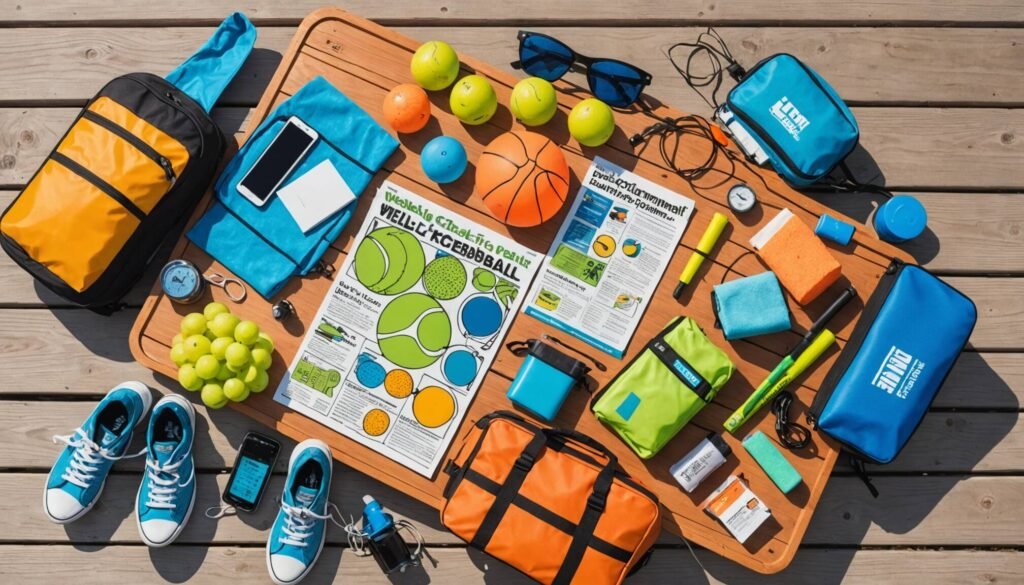
Pickleball Tournament Bag: 13 Essentials You Need to Pack
Showing up to a pickleball tournament underprepared is a mistake most competitive players only make once. Tournament days are long, physically draining, and full of small problems that snowball fast if you are not ready for them. A dead phone, a worn-out grip, no clean shirt after a sweaty match — these things seem minor until they cost you focus right before a crucial game.
This guide pulls from a checklist originally put together by Zane Navratil on YouTube, covering exactly what a serious tournament player should have in their bag from the first match to the last. Whether you are stepping into your first tournament or your fiftieth, getting your bag right is one of the simplest ways to give yourself a real competitive edge.
Why Your Tournament Bag Setup Actually Matters
Most recreational players pack for a single session on the court. You grab a paddle, toss in a water bottle, maybe throw in a towel, and you are out the door. That works fine for a casual afternoon hitting with friends. Tournament play is a completely different situation.
When you are competing, you might play three to five matches over the course of a full day, sometimes two days. You will deal with heat, humidity, cold courts depending on the season and location, and long gaps between games where your body cools down and your mind starts to wander. Each of those conditions requires something specific from your bag, and if you have not prepared for them, you are already behind before the first serve.
Getting your bag dialed in is not about being obsessive or overprepared. It is about eliminating every possible excuse and distraction before competition even starts. The players who medal consistently are not just more skilled — they are better organized. They do not waste mental energy on logistics during the day because they handled all of that before they arrived.
If you are newer to competitive play and want a deeper look at tournament preparation as a whole, it is worth reading up on what the full experience looks like before your first event.
For Someone New to Pickleball Tournaments: Here Is What You Need to Know
If you have never played in a pickleball tournament before, this section is for you. Pickleball is one of the fastest-growing sports in the United States right now, and tournaments are popping up everywhere from local recreation centers to major national events. Entering one is exciting, but the format is different from just playing for fun.
In a tournament, you are typically scheduled for multiple matches throughout the day, and you do not always know exactly when each one will happen. You might have a match at 9am, then wait two hours, then play again back to back. The courts can be indoors or outdoors. The weather might be hot, cold, or somewhere in between. You will be using your phone constantly to track brackets and communicate with your partner. Your body will get tired, and you will sweat a lot.
This is why your bag matters so much. Think of it less like a gym bag and more like a day pack for a long hike. You want to have everything you might need so that no outside problem pulls your attention away from actually playing well. The 13-item checklist below covers all of it.
Paddles: Never Show Up With Just One
The most important thing in your bag is also the most obvious: your paddle. But the key word here is paddles, plural. Bringing two to three paddles to every tournament is non-negotiable for any serious competitor.
Paddles can crack during play. They can delaminate, which is when the internal layers separate and the paddle no longer performs as intended. They can also fail equipment inspection if the tournament is using testing protocols, which is becoming more common at higher levels of play. If any of that happens in round one and you only brought one paddle, your day is done before it really starts.
Having backups means you compete on your terms regardless of equipment failure. The specific model you use matters less than the principle itself: your backup paddles should be ones you have actually played with before. Do not pull something out of the bottom of your bag that you have not touched in six months and expect to compete with it under pressure.
If you are still figuring out what paddle setup is right for you, checking in on what top reviewers are recommending is a solid starting point. The market moves fast and there are genuinely good options across a wide price range.
The Complete 13-Item Pickleball Tournament Bag Checklist
Here is every item you should have in your bag before walking into a tournament. Each one is there for a reason, and skipping any of them is a gamble you do not need to take.
- Two to three paddles — your primary and at least one backup that you are comfortable playing with
- Overgrips — a fresh overgrip changes how the paddle feels in your hand completely, and having extras means you can swap mid-tournament if needed
- Water bottle — bring your own large one and plan to refill it throughout the day rather than relying on whatever is available at the venue
- Hydration supplement — electrolytes are not optional on long tournament days; plain water is not enough when you are sweating through multiple matches
- Portable charger — your phone will handle bracket tracking, music, communication, and video review all day, and it will die without a backup power source
- Extra clothes — plan to change after every match, not just when you feel like it; fresh clothes matter more than most players realize
- Towels — especially critical if you are playing in warm or humid conditions; bring more than one
- Sweatbands — both wrists and head; sweat dripping into your eyes or onto your grip hand is a real problem mid-rally
- Hat and sunglasses — absolutely essential for outdoor courts; sun in your eyes on an overhead is not a minor inconvenience
- Paddle reset spray or eraser — keeps your paddle surface clean and performing consistently throughout the day, especially outdoors where dust and debris build up fast
- Anti-inflammatories — ibuprofen or a similar option for headaches, minor soreness, or joint discomfort that comes up mid-tournament
- Snacks — energy management between matches is real; small, portable options like nuts, fruit, and protein bars keep you fueled without slowing you down
- Contact lenses — a backup pair if you wear contacts; losing one mid-tournament without a spare is a completely avoidable way to have your day end
Should You Really Change Clothes Between Every Match?
Yes, and this is genuinely one of the most underrated competitive moves you can make on a tournament day. It sounds like a small thing, but playing in wet, sweaty clothes affects your comfort, your temperature regulation, and your mental state in ways that compound across a long day.
Starting a new match in a fresh, dry shirt and clean shorts feels different. There is a real psychological reset that happens when you change, and that reset matters more than most players are willing to admit. You are not just removing physical discomfort — you are signaling to yourself that a new match is beginning and you are ready for it.
The brand you wear matters less than the habit. Pack enough to change after each match, and add one extra set on top of that so you are never caught short if the day runs longer than expected. If you are building out your broader approach to tournament strategy, clothing management is one of the first physical habits that serious competitors develop.
The Three Items Most Players Forget Until They Really Need Them
Three items on the checklist above get overlooked more consistently than any others. They are not the most obvious things to pack, but the players who forget them remember the lesson for a long time afterward.
The first is the portable charger. Tournament days often run six to eight hours or more, and your phone is working the entire time — tracking your bracket, streaming music during warm-ups, texting your doubles partner about who covers the middle, reviewing a match clip between rounds. It runs down faster than you expect. A dead phone means you are flying blind on scheduling and mentally disconnected from your routine, which creates unnecessary stress at exactly the wrong time. A small, fully charged portable charger in the front pocket of your bag eliminates this entirely.
The second is anti-inflammatories. A low-grade headache or some knee soreness that you push through without addressing can quietly cost you an entire match. Having ibuprofen or naproxen in your bag takes almost no space and adds essentially no weight. It takes thirty seconds to think about when packing and can genuinely save an otherwise great tournament day.
The third is a backup pair of contact lenses. If you wear contacts and lose one mid-tournament, you are done unless you have a spare. It might seem like an edge case, but edge cases happen, and the players who think about low-probability preparation are the ones who never get caught by them. Zane himself mentioned carrying extras even though it has never happened to him. That is exactly the right mindset.
Why the Bag Itself Matters as Much as What Is in It
Everything on this list only works if you can access it quickly and cleanly between matches. A disorganized bag where everything is crammed together means you are digging through layers of gear while your warm-up window is closing. That is not a good mental state to be in heading into a match.
A bag with dedicated compartments makes the entire process smoother. Paddles should have their own protected slot. Liquids should be separated from clothing and electronics. Snacks should be accessible without unpacking everything else first. These are not luxuries — they are functional requirements for a bag that actually works on a long tournament day.
If you are in the market for a new bag, the complete buyer’s guide to pickleball bags breaks down the best options across different sizes, price points, and use cases. There are strong options whether you prefer a backpack style or a larger tote format, and the right choice depends on how much gear you tend to carry and how you move between courts.
How to Use This Checklist Before Your Next Tournament
Do not pack the night before your event. Pack two days out so you have time to identify anything missing and actually replace it before you need it. Night-of packing is where items get forgotten and shortcuts get taken.
Run through this list as a physical checklist, not a mental scan. Mental scans feel thorough but miss things consistently. Writing it down or checking items off one by one takes a few extra minutes and is dramatically more reliable.
Here is a simple pre-event packing process that takes about fifteen minutes total and eliminates the most common mid-tournament problems before they start:
- Lay out all 13 categories on a flat surface before putting anything into the bag
- Inspect each paddle individually for cracks, surface damage, or edge guard issues
- Replace your overgrips if you have not done so recently — when in doubt, fresh is better
- Charge your portable charger fully the night before the event
- Pack snacks fresh the morning of to avoid anything going stale or getting crushed
- Count your clothing sets and confirm you have enough for your expected number of matches plus one extra
That is it. Fifteen minutes of organized preparation the morning of your event means you walk in with nothing left to worry about except actually playing well. The players who do this consistently are not more talented than everyone else — they have just removed all the small distractions that drain focus before competition even begins.
Frequently Asked Questions About Pickleball Tournament Bags
How many paddles should I bring to a pickleball tournament?
Bring a minimum of two to three paddles. Paddles can crack, fail equipment inspection, or lose surface texture over the course of a long tournament day. Having backups ensures that no equipment issue forces you out of competition early. Make sure your backups are paddles you have actually played with, not unfamiliar gear pulled from storage.
What should I eat during a pickleball tournament?
Focus on small, portable snacks between matches rather than one large meal. Nuts, fruit, and protein bars keep your energy steady without the heaviness that slows you down mid-competition. Pair food with an electrolyte supplement to stay properly hydrated, especially on warm days or in humid conditions where you are losing more than just water through sweat.
Do I really need to change clothes between matches at a tournament?
Yes. Most serious competitors do it, and for good reason. Playing in wet, sweaty clothes affects your temperature regulation and your focus in ways that add up across a long day. Starting a new match in fresh clothes creates a genuine mental reset heading into the next round. Pack enough sets to change after every match.
What is a paddle reset spray and why do I need it?
A paddle reset spray or eraser is a cleaning tool that removes dirt and debris from your paddle surface. Surface texture degrades during play, particularly outdoors where dust and grit accumulate quickly. Cleaning your paddle between matches helps maintain your spin generation and touch at the kitchen line. It is a small detail that makes a noticeable difference across a full tournament day.
Why should I bring a portable charger to a pickleball tournament?
Tournament days often run six to eight hours or longer, and your phone is working hard the entire time handling bracket tracking, music, communication with your partner, and video review between matches. A dead battery cuts off all of that and creates real stress when you need to stay calm and focused. A small portable charger is one of the easiest problems to solve before it ever starts.


