
The Full-Send Body Bag: Why Pro Pickleball Players Say It’s About to Explode
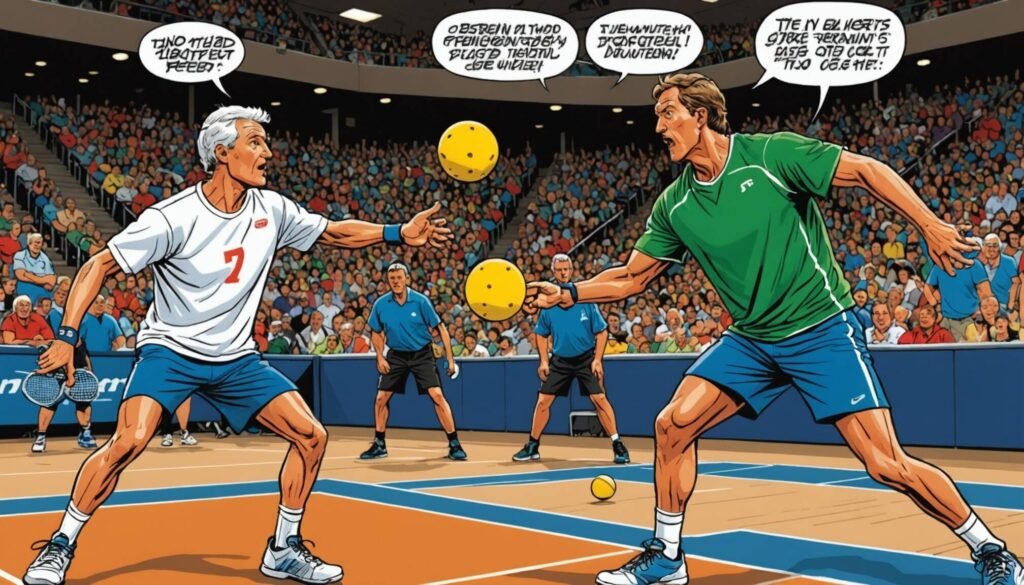
If you have been watching Major League Pickleball this season, you have probably seen it. A player winds up, drives the ball straight into an opponent’s chest at full speed, the crowd erupts, and the point is over before anyone really had time to react. That shot has a name — the full-send body bag — and according to two players who know the pro game inside out, it is not just a highlight reel moment. It is becoming a real, deliberate strategy.
Florida Smash’s Zoey Weil and pro Zane Navratil recently sat down to break it all down — why the body bag works, who it works best against, and why Navratil believes we are about to see it used ten times more frequently at the pro level. Whether you play recreationally or you watch every MLP match you can find, this shot and the thinking behind it is worth understanding.
What Is a Body Bag in Pickleball? (A Quick Explainer for Newer Players)
If you are newer to pickleball or just starting to follow the pro scene, the term “body bag” might sound a little dramatic. Here is the simple version: a body bag is when a player drives the ball hard and directly at their opponent’s body — usually the chest or dominant shoulder — instead of aiming for the open court or a corner. The goal is not always to win the point immediately on contact. Sometimes the whole point is to send a message and make the other player uncomfortable.
In pickleball, most rallies at higher levels are decided at the kitchen line, which is the line closest to the net. Players crowd that line, lean in, and try to control the soft, precise shots called dinks. When someone suddenly fires a full-power ball directly at your body while you are standing in that position, you have almost no time to react. Your paddle arm is not in a great position, your body is in the way of itself, and if you do manage to get your paddle on it, the return is usually weak and attackable.
That is the body bag in a nutshell. It turns your aggressive net position against you.
Why Does the Body Bag Work So Much Better on Men?
This is one of the more interesting details to come out of the conversation between Weil and Navratil, and it is worth sitting with because it is not just about size. Yes, men are generally bigger through the upper body and chest, which does give the shot a larger target. But the bigger reason the shot works better on men comes down to how they position themselves at the kitchen line.
Weil put it plainly. “Guys are just so staunchly parked on the line that they’re not necessarily ready for, oh, this ball is probably going to come on my chest as hard as it possibly could.” That is the crux of it. Men crowd the kitchen aggressively, lean into the play, and load up to attack. That posture is great for offensive play, but it is a liability when a ball comes straight at them. Sharp kitchen line positioning is the real differentiator between eating a body bag and having enough space to deal with it.
Three things specifically make male players more vulnerable to this shot:
First, upper body size. A broader chest and wider shoulders create a larger surface area that the ball can hit. When a ball is driven at pace, that extra width matters because it reduces the margin of error for the shooter while increasing the difficulty for the defender.
Second, line positioning. When you are pressed tight to the kitchen line and leaning forward, a ball aimed at your chest arrives before you can step back and create the space needed to redirect it cleanly. The closer you are to the net, the less reaction time you have, and the harder it is to get your paddle in the right position to block or counter.
Third, the mental commitment to being the aggressor. Players who are locked into attack mode are not scanning for a ball aimed at their ribs. They are watching for opportunities to attack, which means a body shot catches them mentally off guard as much as physically off guard.
The women’s game plays out differently, and Weil explains why clearly. Women on the pro tour tend to drop back from the kitchen line and let more balls go rather than crowding the space. “The full bags typically come off the bounce, but you see the women are like dropping back. I just think it’s easier to leave a ball,” she said. That instinct to give the ball room to travel and decide whether it is in or out before committing is a big reason the body bag is far less of a weapon in women’s doubles. That tendency is one of many ways women’s doubles strategy differs from men’s at the pro level.
Weil is also an interesting case study in her own right. She is 5 foot 11, plays more forward on the line than most women, and yet rarely gets hit with body bags. “I’m a large woman who plays more on the line. I don’t get hit at more than an average person,” she said. The conclusion is clear: size alone does not make you a target. Your positioning and your level of readiness to adjust in the moment are what determine whether a body bag finds you or misses you.
The Brushback Pitch Effect: What One Body Bag Does to a Match
Navratil’s comparison to baseball’s brushback pitch is one of the most useful frames for understanding why pros are excited about this shot. In baseball, a pitcher throws a fastball inside and close to the batter’s body not necessarily to get them out right then, but to push them off the plate. The batter spends the rest of the at-bat crowding the plate less, hesitating on inside pitches, and generally uncomfortable. That is the psychological residue of one aggressive pitch.
The body bag in pickleball works exactly the same way. Navratil described the effect precisely: “If you do that early in a match, that person, instead of being two inches behind the kitchen line and leaning in, they’re going to be six inches behind the kitchen line and have their head on a swivel the entire match.”
That four-inch retreat sounds small. In pickleball, it is enormous. A player who is six inches further from the kitchen line instead of two inches has less reach for dinks, arrives at the ball later, and is in a slightly weaker position to attack. Every shot in pickleball operates in tight margins, and four inches of positioning changes what shots are available to you and what shots your opponent can execute against you.
Weil added another layer to this. Getting hit with a body bag makes you protect the wrong thing. You start thinking about covering your body instead of covering the middle of the court or preparing for the next attack. Understanding how to stop getting attacked at the kitchen starts with not letting your positioning get disrupted in the first place. Once a player has been tagged and pushed back, forcing them to reset is a win before a single additional shot has been played. Recovering after being pushed back from the kitchen is a skill in itself, and a good body bag puts your opponent squarely in that recovery position.
How to Use the Body Bag Without Handing Away Free Points
Both Weil and Navratil are clear that this is not a shot you run into the ground. Use it sparingly, pick the right moment, and execute it off the bounce. That is the framework. Outside of that, you are likely to give up easy points.
Think of it like a pickleball speedup: devastating when the timing is right and you have set it up properly, but costly when it is forced or poorly executed. A few practical rules keep it working for you rather than against you.
Take it off the bounce whenever possible. The body bags that land cleanest come from balls you can plant into and drive with real pace and accuracy. Swinging at a ball out of the air under time pressure leads to shots that float or miss the target entirely.
Aim for the chest or the dominant shoulder specifically. Those are the slowest areas for most players to clear with their paddle. The space between the shoulder and the hip is where the defender has the most difficulty deciding whether to forehand or backhand, and the paddle path to that zone is the most awkward to execute at speed.
Use it early in the match if you are going to use it at all. The psychological impact — the shift in how someone stands and thinks — is most valuable when it shapes the rest of the match. A body bag in the final game of the match does not change positioning for long enough to matter the way an early-match one does.
Do not repeat it immediately. Good players adjust fast. Weil nailed the reason why running it back is dangerous: “It’s kind of like one of those shots that you hit that’s so bad it’s good. Next time you do it, it’s going to get absolutely merked.” That is the reality of playing at high levels. Surprise is most of the weapon, and once the surprise is gone, you are telegraphing your intent and giving your opponent a chance to punish you.
This is fundamentally a shot selection problem, and shot selection is where levels separate. Knowing when to pull the trigger on a body bag and when to stay patient and dink requires the same kind of pickleball IQ that makes elite players so hard to prepare for. Ben Johns, widely regarded as the greatest player the sport has produced, is praised above almost everything else for his sense of when to speed a ball up versus continue a dink exchange. The body bag is another expression of that same instinct. And knowing how to handle the most difficult shots in pickleball is part of what makes the best players so hard to rattle.
How to Defend Against a Body Bag
Defense here comes down to two fundamentals: leave the ball when you can and get your paddle in front of your body when you cannot. That sounds simple, but both halves of that equation require real practice and presence of mind under pressure.
Weil points out that elite players make the adjustment quickly once they have been hit. “Everybody is so good that if you get hit once or twice, it’s probably not going to happen again. You’re going to be ready to leave that ball.” The catch is that the damage — the psychological repositioning and the distraction — has already been done. Defending well after the fact is good, but the goal should be to see it coming before it happens.
Recognizing the setup early is the most valuable defensive skill here. When a ball sits up off the bounce on your opponent’s paddle and they are loaded to drive, a body bag is one of the most likely outcomes. Better pickleball reaction time gives you the split second you need to either step back, create space, or decide to leave the ball entirely.
When leaving it is not an option, a two-hand block beats a panicked single-arm swat almost every time. Learning how to defend with two hands like the top pros gives you a much more stable, controlled way to redirect pace and neutralize the aggression rather than absorbing it.
Finally, learn to read whether a body bag is actually going to land in bounds. Many of them would travel long if you just got out of the way. A ball driven at your chest from the baseline or mid-court often carries enough pace to miss if you create even a small amount of lateral or backward space. Developing the comfort to let those go — to not flinch and pop it up in the air — is one of the quieter defensive skills that separates experienced players from developing ones.
Is the Body Bag Really About to 10x at the Pro Level?
Navratil is fully convinced. “I really think that this is something that we’re going to see 10x come a couple years from now,” he said, and the reasoning behind that prediction holds up when you look at the direction the pro game is heading.
Major League Pickleball’s format amplifies everything that is physical, aggressive, and crowd-facing. A player getting tagged in the chest is exactly the kind of moment that gets clipped and shared, and the crowd energy around those points is unlike almost anything else in the sport right now. The entertainment value is real. The pros themselves joked that high-level doubles can feel like organized dodgeball, where whoever absorbs more body shots tends to lose the point, and audiences respond to it immediately.
The body bag fits naturally into the broader evolution happening in pro pickleball. It sits alongside the other shots shaping the future of the game, and roster construction in Major League Pickleball increasingly reflects a preference for physical, aggressive players who can generate and absorb pace.
The women’s game is a different story and likely to stay that way. The tendency to drop back, give balls space, and leave borderline shots makes the body bag structurally less effective in women’s doubles. Do not expect it to become a defining weapon on that side. On the men’s side, though, the brushback era looks like it is genuinely just getting started, and the players who master the timing and restraint to use it effectively are going to have a real edge as it becomes more common and opponents start building defenses around it.
Frequently Asked Questions
What is a body bag in pickleball?
A body bag, also called a full bag, is a ball driven hard and directly at an opponent’s body, typically the chest or dominant shoulder. The goal is to force a defensive error, win the point outright, or pressure the player into stepping back from the kitchen line. The most effective ones come off the bounce when the hitter can generate maximum pace and accuracy.
Is hitting someone with the ball legal in pickleball?
Yes, it is completely legal. When a ball strikes an opponent while it is in play, the player who was hit loses the rally. That rule is exactly what makes driving the ball at a body a legitimate and strategic shot at higher levels of play. There is nothing dirty or against the rules about it, even if it can sting a little.
Why does the body bag work better on men than women?
Men tend to be larger through the upper body and crowd the kitchen line more aggressively, which creates a bigger, less mobile target. Women more often drop back from the line and let balls go, making the body bag much easier to avoid. That structural difference in positioning is why the shot is expected to grow primarily as a men’s doubles weapon.
How do you defend against a body bag?
Leave the ball when it looks like it might sail past you, and get your paddle in front of your chest with a two-hand block when it will not. Recognize the setup early by watching for a sitting ball on your opponent’s paddle. Once good players get tagged once or twice, they rarely get caught the same way again because they adjust their positioning and readiness quickly.
How often should you use the body bag?
Sparingly. Both Weil and Navrat


